
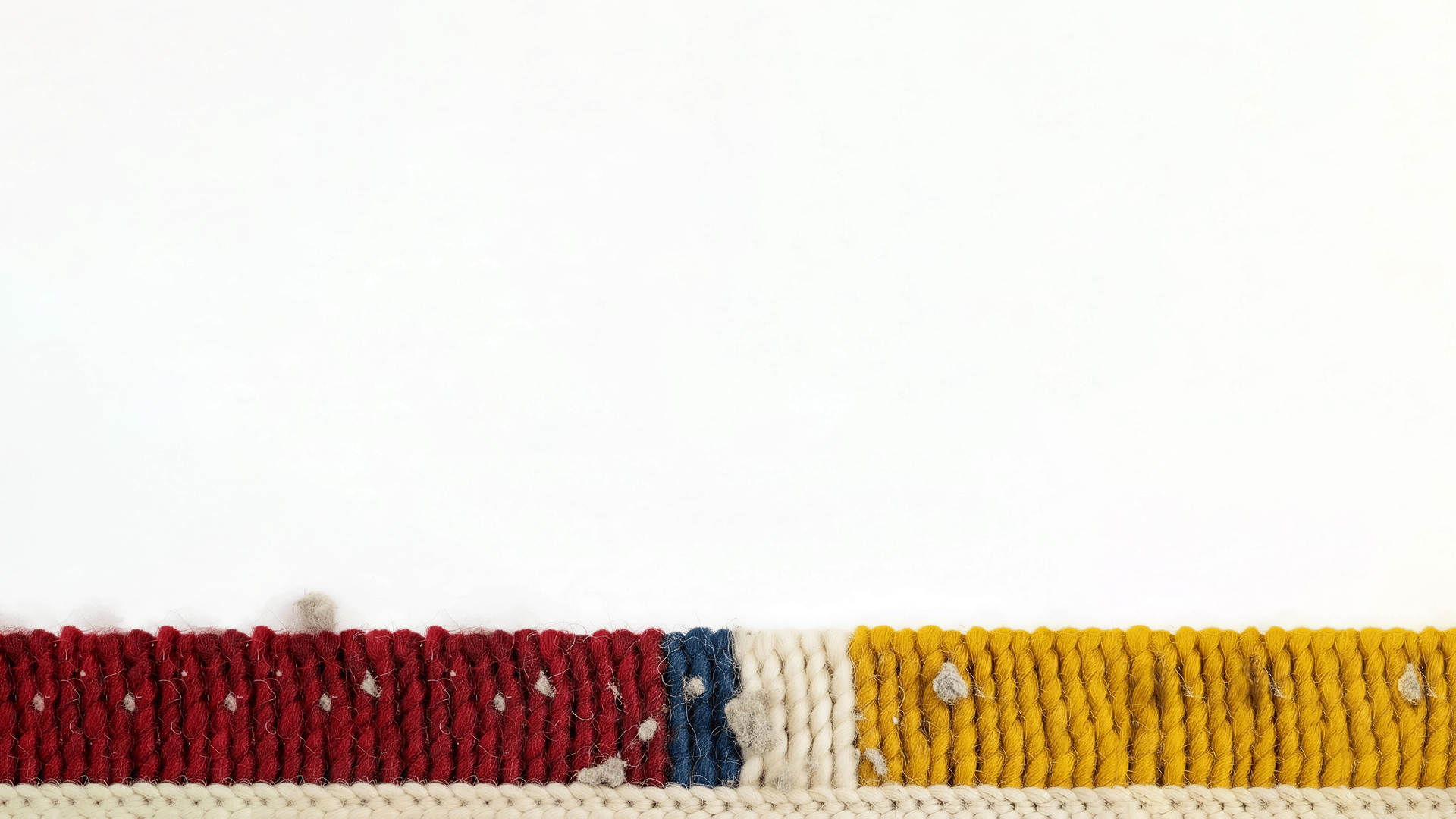
What Is Pile Lifting, What Does It Do, and How Is It Performed?
What is Airing, What Does It Do, and How is It Done?
Airing appears as a highly important process in the cleaning and maintenance of carpets or similar textile surfaces. Generally, airing refers to the process of removing dust, dirt, and hair from the surface, allowing the fibers to stand upright again, and restoring the natural fluffiness of the carpet. This concept can be applied in both daily home cleaning and professional carpet washing processes, but the goal is always to preserve the carpet’s longevity and aesthetic appearance.
The airing process plays a critical role in the carpet cleaning process. After washing is completed, carpets dry, and the fibers may have become stuck together or flattened. The airing done at this point acts as the final touch before packaging or displaying the carpet. The surface of the carpet is brushed using professional machines or manual vacuuming methods, thus removing both dust and fine particles while restoring the fibers to their original volume and fluffiness.
The airing process not only enhances the carpet’s aesthetic appearance but also preserves the structure of the fibers, increasing durability and providing healthier long-term use. Additionally, the micro-particles and allergens accumulated on the carpet’s surface are effectively removed during this process, making it especially important for homes with children or individuals with allergies.
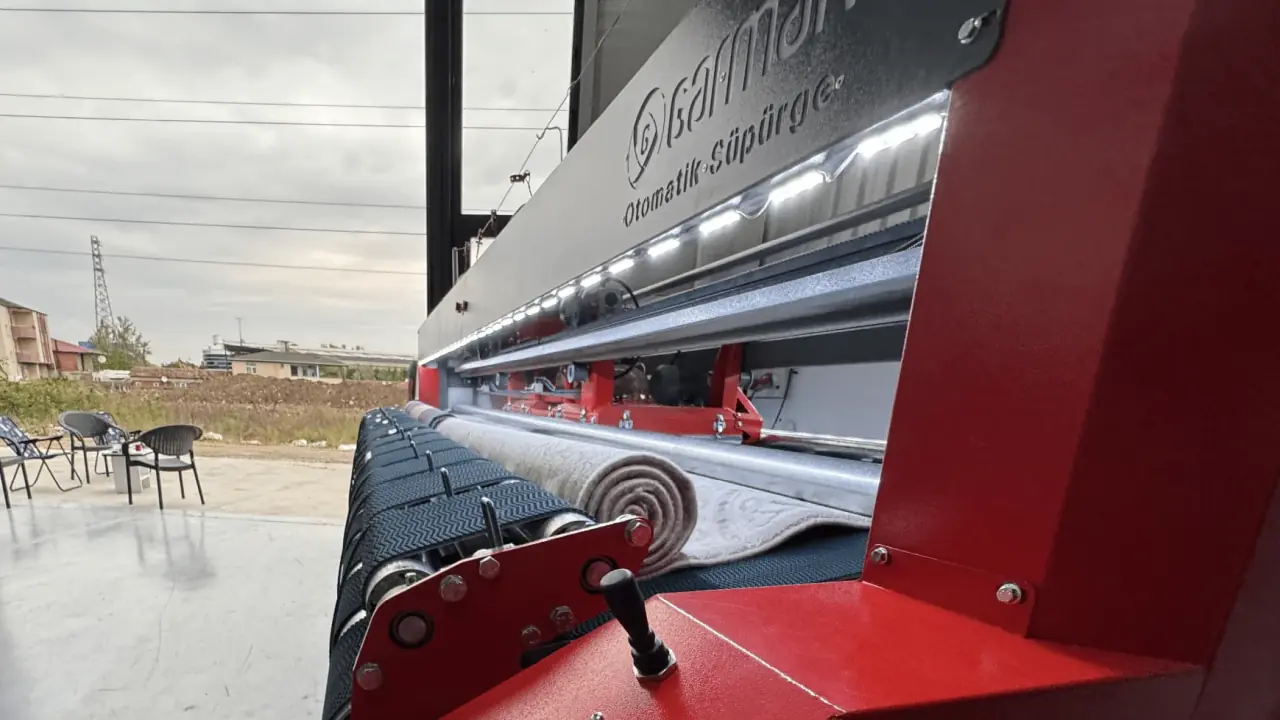
Carpet airing machines used in professional facilities can perform this process much faster, more evenly, and effectively. Without damaging the fibers, they make the carpet both hygienic and visually perfect.
Vacuuming is both a maintenance and hygiene step. Not only does it complement the washing process, but it also extends the carpet’s lifespan, keeps its appearance fresh, and helps maintain indoor air quality. Regularly applying this process is one of the key steps in ensuring that cleanliness and aesthetics are long-lasting.
Importance and Benefits of Airing (Vacuuming) Process
Airing is not only an aesthetic process but also a critical step for long-term usage. Regular airing of the carpet fibers ensures the removal of accumulated dust, dirt, and fine particles from the surface. When this process is neglected, the carpet fibers become compressed over time, and layers of dirt form on the surface. This not only spoils the appearance of the carpet but also leads to fiber wear and quicker deformation.
Especially in carpets, airing is crucial for extending the carpet’s lifespan. Regular airing helps the carpet fibers maintain their natural fluffiness and prevents them from losing their original shape. As a result, carpets become both durable for use and provide an aesthetic appearance to spaces.
Airing (vacuuming) is also highly beneficial for hygiene purposes. Dust, hair, microorganisms, and allergens that accumulate on the carpet can pose health risks, especially in homes with children or allergy-prone individuals. Regular airing ensures that these particles are effectively removed, creating a healthier environment in living spaces.
Moreover, when applied together with the daily cleaning, this process enhances the efficiency of routine vacuuming and maintenance tasks. The fibers standing upright reduce the accumulation of dirt and dust, and decrease the time and effort spent on deep cleaning later. Professional carpet airing machines perform this process quickly and effectively, providing time savings and ensuring hygienic results without damaging the fibers.
Airing is an indispensable maintenance step to ensure that carpets remain aesthetic, hygienic, and durable. When applied regularly, carpets perform optimally for many years, both in appearance and usability.
How is Airing Done?
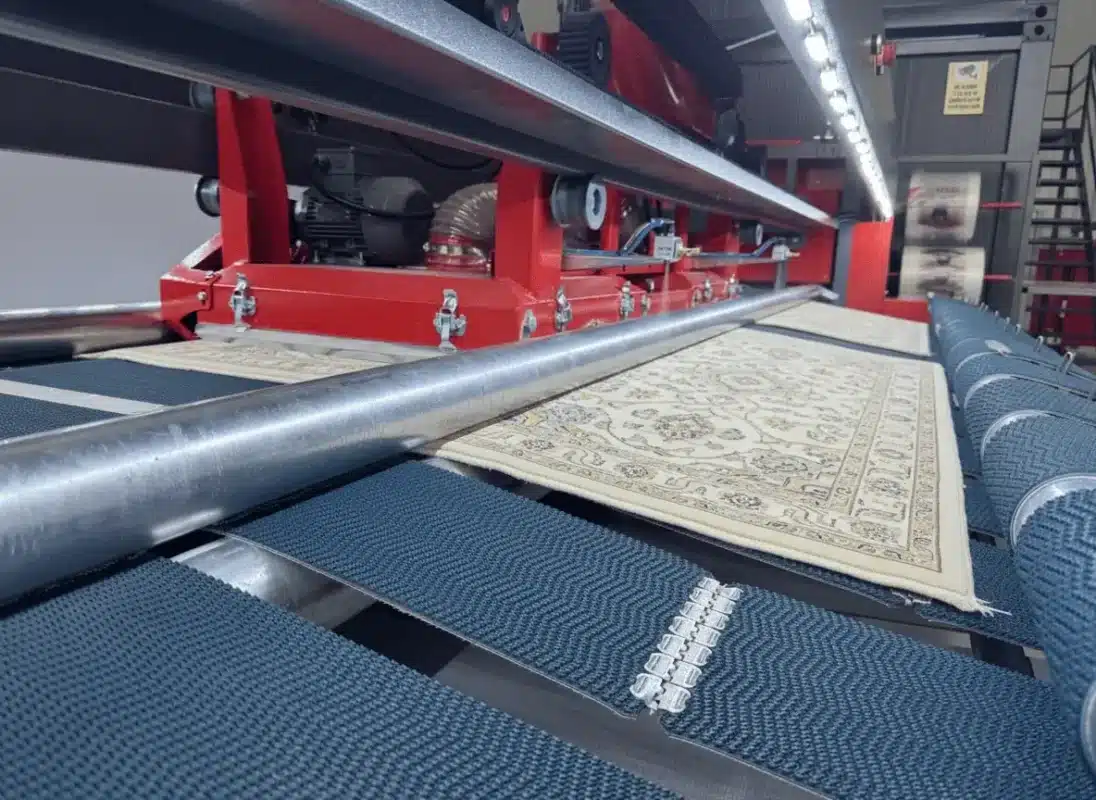
Airing is one of the fundamental steps in carpet maintenance and can be performed using both manual methods and professional machines. In manual methods, the carpet is flipped over or unrolled, and dust and dirt from the carpet fibers are removed using special airing brushes or light tapping. This method is especially preferred for small areas and delicate textured carpets. The most important point to keep in mind during manual application is to avoid damaging the carpet fibers and ensure that the entire surface is evenly aired.
Professional machines make this process much more efficient and faster. These machines can perform deep airing and sweeping without damaging the carpet fibers. Airing machines, with their powerful motors and special brushes, effectively clean both surface dust and particles between the fibers. This makes the carpets more hygienic and helps preserve their texture for a longer time.
One of the biggest advantages of airing machines is their ease of use and time savings. In large and heavily used carpets, manual processes are both exhausting and time-consuming. However, machines can air large areas quickly in a single pass, and when used regularly, they help maintain the carpet’s aesthetic and hygienic structure for a long period. Additionally, machines are ideal for the final checks of the carpet before packaging in professional applications, ensuring optimum results both in appearance and hygiene.
Whether performed with manual methods or carpet airing machines, the airing process is a critical step that extends the carpet’s lifespan and provides significant benefits in terms of hygiene and aesthetics. Modern machines, especially for high-traffic areas and large carpets, make the process both safe and economical.
Airing Frequency and Proper Timing
The airing process should be considered a regular part of carpet maintenance, and its frequency varies depending on the carpet’s usage intensity, the area it’s in, and the type of material. In homes, for carpets used daily, airing is generally recommended once a week, while in offices, hotels, or high-traffic areas, this frequency can increase to two or three times a week. Heavy use accelerates the accumulation of dust, dirt, and microorganisms in the carpet fibers. Therefore, regular airing is a critical step for both hygiene and the carpet’s longevity.
Special circumstances should also be considered. Newly washed or dried carpets should always be aired before packaging. This ensures the fibers open up properly and prevents dust buildup. Additionally, after dusty and dirty activities such as construction or renovation in the carpet’s environment, extra airing should be performed to help preserve the carpet’s texture.
In terms of timing, the airing process should be planned in harmony with the daily cleaning routine. For example, performing the airing in the afternoon or evening, when the carpet is less used, allows for more effective fiber airing compared to doing it during peak usage hours in the morning. Also, as part of seasonal maintenance, carpets should undergo more detailed airing and cleaning a few times a year, which enhances both their aesthetic appearance and hygiene levels.
Airing frequency and proper timing should be determined based on the carpet’s usage intensity and environmental conditions, following a flexible yet regular plan for both routine and special circumstances. This ensures the carpets remain durable and consistently clean and healthy.
Effect of Airing on Carpets
The vacuuming process plays a critical role in preserving the texture of carpets and maintaining their aesthetic appearance over time. Regular airing opens up the carpet fibers, restores matted and flattened fibers, and allows them to stand upright again. This results in a smoother and livelier carpet surface, keeping its colors and patterns as vibrant as the first day. Especially for plush and thick carpets, this process helps prevent fiber compression, preserving the carpet’s volume and comfort.
Additionally, airing is extremely important for hygiene. Dust, dirt, allergens, and microorganisms settled on the carpet surface are removed with regular airing. This is an essential step in creating a healthy living space, especially in homes with children or in environments with allergic individuals.
When considered in connection with the daily cleaning routine, this process complements classic cleaning steps such as sweeping and mopping. Airing enhances the effectiveness of daily vacuuming and helps the carpet stay clean for a longer period.
Frequently Asked Questions (FAQ) About Airing
❓️What does “fluffy carpet” mean?
A fluffy carpet refers to carpets that have fibers or tufts on the surface and a plush, raised texture.
❓️What does “pile direction” mean?
Pile direction refers to the orientation of the carpet fibers and the natural flow of the texture.
❓️What does “pile height” mean?
Pile height refers to the distance from the carpet surface to the tips of the fibers, determining the texture and softness of the carpet.
❓️Which carpets need airing more frequently?
Fluffy, dense, and heavily used carpets require more frequent airing.
❓️Does the airing process reduce allergens?
Yes, regular airing reduces dust, pollen, and other allergens, creating a healthier environment.
❓️Can the carpet get damaged during the airing process?
When done with the correct method and suitable machines, airing does not damage the carpet; on the contrary, it extends its lifespan.

